
Most couples start their wedding planning journey with the best of intentions – you set a realistic budget, you prioritise, you crunch the numbers (and if you haven’t already, this blog post is a great starting point: How to Set a Realistic Wedding Budget).
But even with careful planning, extra costs inevitably sneak in and now your beautifully mapped-out budget might as well be a fairy tale. Suddenly, you’re panicking about starting married life buried in debt thanks to one big day.
If that amount at the bottom of your spreadsheet is flashing red, take a breath and know that you’re not alone. More importantly, we are here to tell you that there are ways to pull things back into control without sacrificing the celebration you’ve been dreaming of.
Here are three practical strategies to help you trim the excess, rethink your priorities, and get your wedding spending back on track.

1. Get back to basics
When the budget has blown out, the first step is to go right back to the foundation:
What actually matters most to you?
It’s easy to get swept up in the planning whirlwind and convince yourself that you need personalised napkins, custom signage for every corner, or bespoke gift baskets featuring IPAs from the local microbrewery, individually crafted to each guest’s tastes.
But the truth? Most weddings don’t need half the extras couples feel pressured into booking.
It’s not about going for a slightly cheaper option to save a few dollars here and there, but instead, looking at what you can cut back on to make the biggest impact. Here are some places you can start:
- Reduce your guest list – catering is one of the biggest costs at a wedding and usually calculated per head, but reducing the guest list can also save you in other areas. Every additional person can add to bar costs, stationery, transport, seating hire, and even styling and decorations. Cutting just 10 guests can save hundreds.
- Ditch the large wedding party – suits, dresses, hair, makeup, bouquets, buttonholes, gifts… it adds up fast. You could even skip the wedding party altogether, and instead just ask a few close friends if they would like to get ready with you rather than have them take on a formal role.
- Re-prioritise your “must-haves” – Ask yourselves: “What three things matter most? What can we live without?” Feel free to go all Marie Kondo and ask what part of your upcoming nuptials “spark joy”. This will help you refocus your budget on the things that are truly important to you.
Need some help getting into the right mindset for the cull? Check out our Simplest Guide to Wedding Planning – it’ll remind you what’s essential and what’s simply noise.

2. Talk to your vendors (they can help more than you realise)
Once you’ve identified what can go, the next step is to reach out to the people already working on your wedding.
But before you send those emails, start by checking your contracts for:
- minimum spends
- non-refundable amounts
- what’s included in the scope of work
- whether changes are allowed
Please don’t ask vendors to make exceptions to the agreed terms – this is their job and how they make their living. But once you have a handle on what can’t change, and where there is room for flexibility, it’s time to give them a call.
Honesty is the best policy. Explain that you need to cut back your budget and ask if they have any suggestions. Good vendors won’t be offended – they’ll help you problem-solve. Remember that vendors are experts when it comes to weddings, and they may have some creative ideas on the best way to stretch your dollars.
Here are some ideas for adjustments you may like to discuss with your wedding suppliers:
Wedding venue
- If reducing guest numbers means you won’t make minimum spend, ask if you can put the difference on the bar tab instead. While it might not save you money at the venue, it can reduce other per-guest costs such as gifts, decor and stationery. Plus, with more money on the bar, there’s less chance of being swayed to overspend on booze on the night.
- Swap three courses for two and let the wedding cake become dessert.
- Ask about switching to a weekday or off-peak date (if changing dates is still possible).
Wedding photographer
- See if your existing deposit can be transferred to a shorter package with fewer hours.
- Consider a digital-only package rather than a professionally printed wedding album.
Catering
- Discuss more affordable service styles (e.g., shared platters instead of individually plated meals).
- Check for add-ons that may be able to be removed.
Florist / Stylist
- See if they can repurpose arrangements between ceremony and reception.
- Swap luxe installations for simpler pieces and in-season florals that still look beautiful.
The earlier you start these conversations with your vendors, the more flexible they are likely to be.
And importantly, if you can no longer afford a vendor, you may need to step away, but please don’t ask for a non-refundable deposit back. That money reflects the time, communication, admin, and planning they’ve already put in.

3. DIY what you can (but only where it actually saves money)
DIY can be a lifesaver or a money pit. It all depends on how prepared you are and being realistic about the limits of your own skill and creativity.
If you dive in without a plan (buying supplies impulsively, guessing at quantities, or choosing projects beyond your abilities), DIY can end up costing more than hiring a professional.
But when you choose achievable tasks, there are savings to be made.
Some easy DIY options to consider:
- Welcome signs printed cheaply online
- Place cards or menus using Canva and home printing on card stock
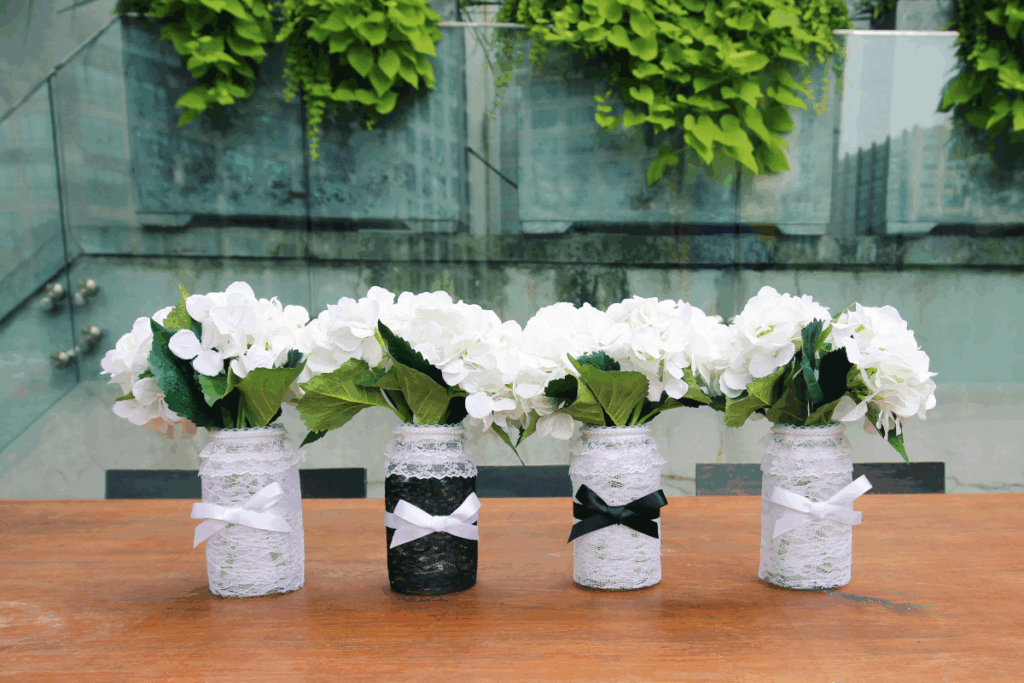
- Simple table decor, like candles and thrifted vases
- Bathroom baskets/emergency kits
- Wedding favours that double as place cards (e.g., handwritten tags, cookies, mini plants)
Focus on low-risk tasks that won’t add stress or rush you in the week before the wedding.
For the pros and cons of DIY weddings, check out our blog post: DIY or Not to DIY
Conclusion
Going over budget doesn’t mean your wedding is doomed – it just means it’s time to regroup, rethink your priorities, and make some smart adjustments. By trimming non-essentials, talking openly with your vendors, and choosing thoughtful DIY projects, you can bring your spending back under control while still having the wedding celebration you and your partner deserve.