Weddings should feel safe, joyful and welcoming for everyone, no matter your background, identity, or story. But when you and/or your partner don’t match the white/neurotypical/non-disabled/cis-heteronormative couple that seems to be the “default” in wedding media, how can you find wedding vendors who will meet your needs?
Whether you are part of the LGBTIQA+ community, neurodiverse, living with disability, or you are just looking for someone who shares the same values as you, here are five ways to know if your celebrant or vendor is genuinely inclusive.
1. The TCS Celebrant Directory
We know that it might seem a bit cheeky to tell you to visit our own Celebrant Directory as the very first way to find an inclusive celebrant, however, EVERY member of The Celebrant Society commits to being an inclusive celebrant.
This means that regardless of where you or your partner were born, your nationality, sexuality or gender identity, if either of you are living with a disability or are neurodivergent, our celebrants want to hear from you!
We also collectively have the experience and knowledge to navigate any issues that may come up when planning your ceremony. We are a large network of celebrants across all of Australia and even a few pockets around the world. This means that every celebrant who is a TCS Member has access to almost immediate answers to any question and has a wealth of experience, both lived and learned, to draw from.
2. Language is key
It can be challenging for vendors, especially those starting out, to SHOW their inclusive values. It’s the old conundrum: you need to do weddings to get content, but you need content to book weddings!
Instead of just taking note of the visuals that a vendor chooses, look at what they are SAYING. Is the language that they are using inclusive across all aspects of their business? Does the language they use give you the confidence to book with them and know they will address you in the way that you would like them to?
Closely look at things like a vendor’s enquiry form. Are they STILL asking for the names of the Bride and Groom? Or are they being inclusive by asking for the details of Person 1 and Person 2?
Do they display their own pronouns in their social media bios and on their website?
Do they use language that a neurodivergent person may also use?
Do they have an Acknowledgement of Country on their website?
3. Where do they hang out and who are they hanging out with?
As wedding vendors, we take the work where it leads us. However, we do like working with like-minded people and vendors whenever we can. So a couple of questions to ask yourself when looking at a potential wedding vendor: are they working with (or sharing the content of) other vendors you like? Where do they advertise? Do they include themselves in specifically inclusive directories and publications?
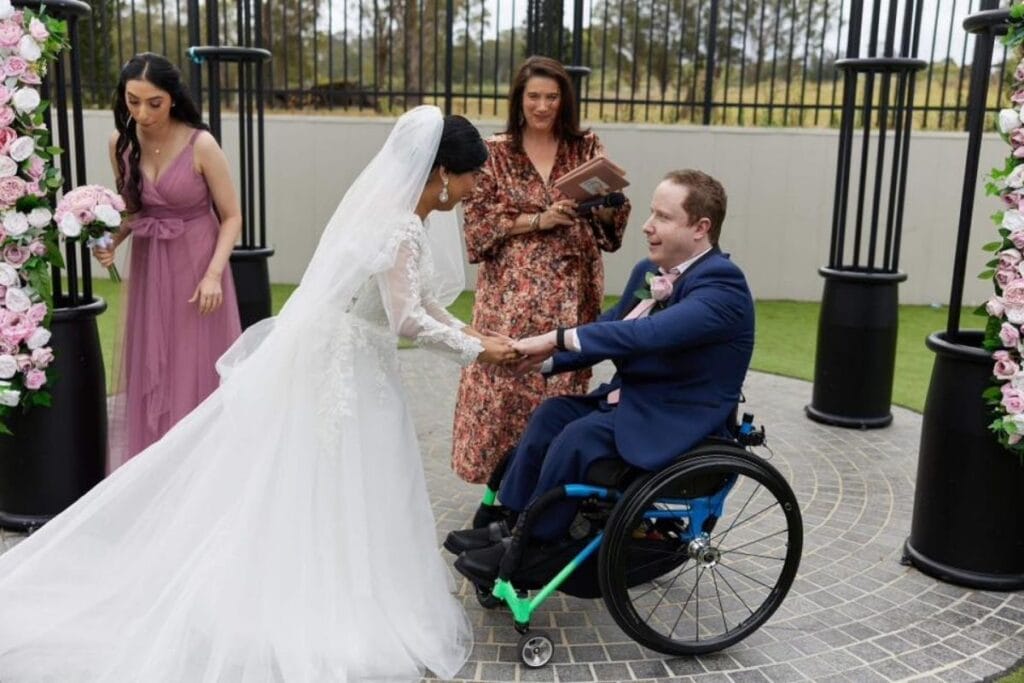
4. Do you see yourself in their work?
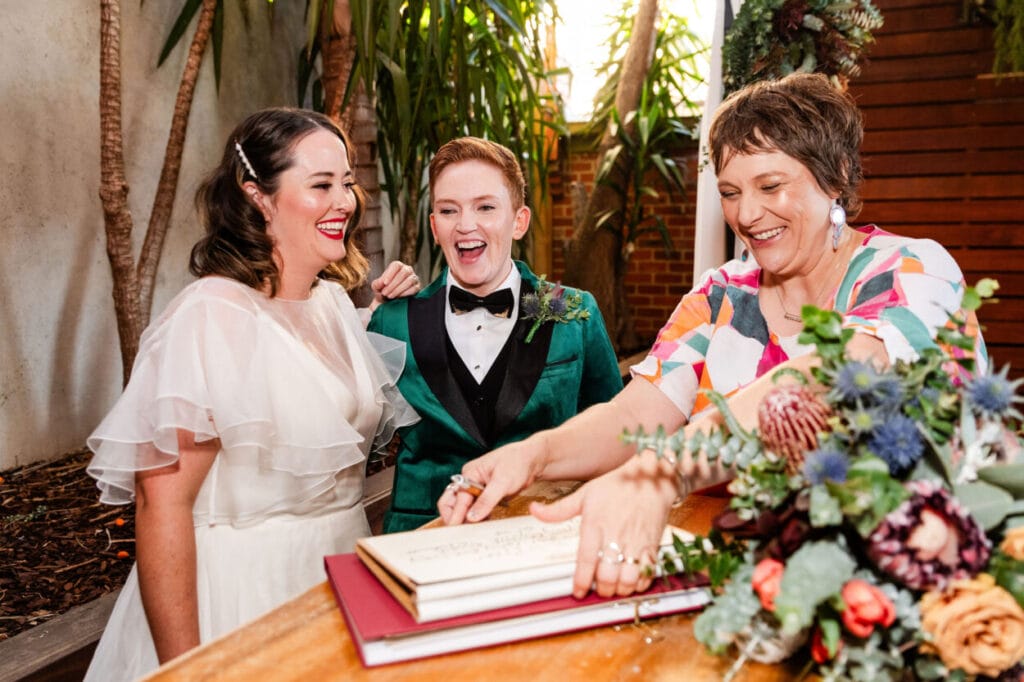
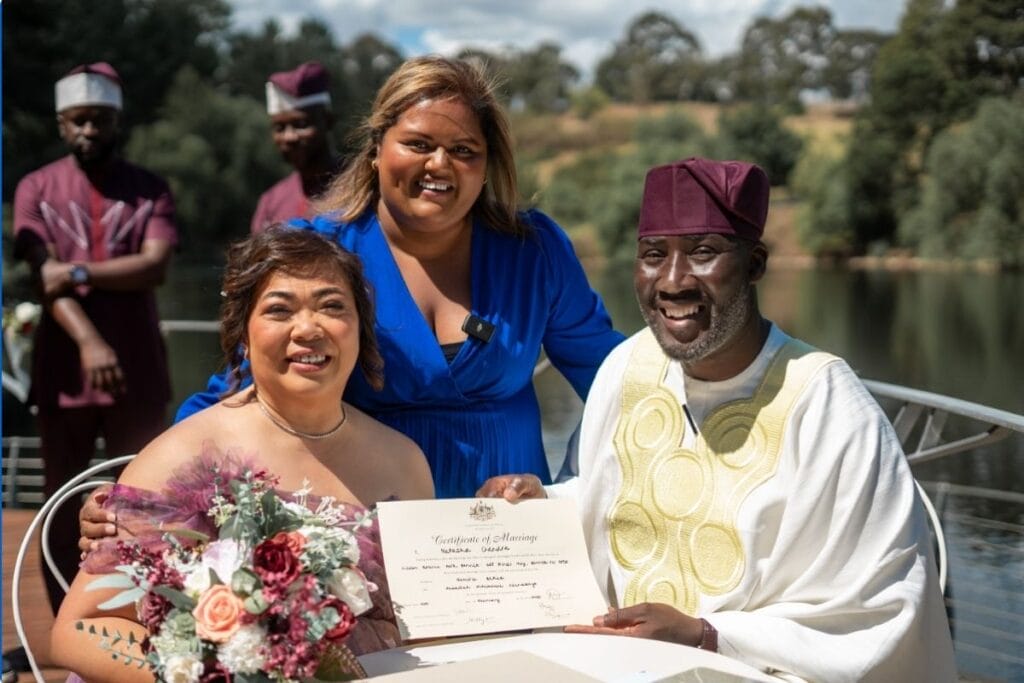
Your vendor may not be able to share a couple exactly like you, but there are ways that a celebrant or other wedding vendor can show their ability and desire to work with a couple like you. Look on their website, social media and reviews for the types of ceremonies, venues, and couples that you can see elements of yourself in.
5. Do they show up as an ally and supporter?
Like I always say, “you can’t just slap a rainbow flag on your website and that be enough!”
Other clear signs that a wedding vendor is a genuine ally (and not just rainbowfying their marketing for more business):
- They follow people that elevate a variety of voices
- They share content that aims to teach them and their audience the importance of inclusivity and diversity
- They show their values all year-round – not just during Mardi Gras or Disability Action Week.