
Interested in Funeral Celebrant Training?
Thinking about expanding your celebrant skills into the funeral industry? If you’re compassionate, supportive, and gifted to ease people when they are grieving then it might be the right time for you to become a funeral celebrant.
We realise it’s not for everyone, but our members who conduct funerals get a lot out of it. In fact, some of our members concentrate predominately on funerals, and have found this such a worthwhile career choice.
While the hardship and grief of losing a family member or a close friend can be incomparable, sympathising and caring for those close to the person who has passed can be incredibly rewarding. But how does one become a funeral celebrant in Australia?
Funeral celebrancy, technically, doesn’t have any qualifications. However, if you want to stand out and grow your funeral celebrancy business, we suggest participating in a funeral celebrant training course will give you the insights you need to confidently take this career path.
The Celebrant Society is one of the best celebrant communities, with a wide range of offerings to help celebrants grow their businesses. Whether you are an aspiring funeral celebrant or a registered one, the best part of being a TCS member is that you get a free listing, endless support, and access to a pool of useful resources to help you grow. Read on to learn more about funeral celebrant training and how to become a celebrant for funerals.
What is funeral celebrancy?
Funeral celebrancy is a profession where an individual designs, plans, and officiates funerals, memorials, celebration of life, or any other ceremonies which acknowledge someone who has passed.
It’s a growing area, with more and more people requesting a secular and non-religious person to conduct the service. This flexibility allows funeral celebrants to conduct ceremonies that cater to a wide range of beliefs and preferences as well as in different settings which may not necessarily be a crematorium or a funeral home.
Funeral celebrants usually work closely with those who have lost their loved ones to create a ceremony that aligns with beliefs and values of the person who has passed, while incorporating their life story and achievements.

How to become a funeral celebrant in Australia
While funeral celebrancy doesn’t require you to hold any qualification (unlike marriage celebrancy), it is helpful to do some kind of funeral celebrant training. The funeral industry can feel a little mysterious when you’ve not worked within it before, so having a basic understanding is super helpful.
There are different organisations offering training courses in funeral celebrancy. Here are the steps and more about being a funeral celebrant in Australia
Complete Certificate IV in Celebrancy
- In Australia, to become a registered celebrant, able to legally conduct weddings, you need to complete Certificate IV in Celebrancy, which has funeral celebrancy module included. This module gives some detail about funerals, and how to write one, but many celebrants find that they need a bit more information post-training to really understanding the funeral industry.
Register as a Celebrant
- Funeral celebrancy is not regulated in Australia. However, to stand out and win the confidence of families planning the funerals, and funeral directors, becoming a registered Celebrant provides legitimacy. Becoming a registered celebrant not only gives you a competitive advantage but also allows you to conduct other celebrations that require you to be registered, such as officiating legal marriages.
Public Liability & Professional Indemnity Insurance
- Unlike wedding celebrations that require a celebrant to be registered before legally marrying any couple, you can start conducting funerals even during your training. You may want to consider shadowing seasoned funeral celebrants to gain hands-on experience, and contacting funeral directors.
Funeral Celebrant Training Options - How to Become a Funeral Celebrant in Australia
Funeral celebrancy is a module within the Certificate IV in Celebrancy. However, you may find that you’d like to understand the funeral industry better, and there are numerous courses available on-line and in-person. A typical funeral celebrant course covers:
- The philosophy of funerals and the role of celebrants
- Ethical considerations and professional conduct
- Legal Requirements
- Creating personalised ceremonies
- Communication and interpersonal skills
- Cultural and religious sensitivities
However, funeral celebrant training providers may customize the course to suit a specific mode of delivery.
We highly recommend our wonderful member, Fiona Garrivan’s, amazing Funeral Handbook for Beginners
How much can a Funeral Celebrant earn?
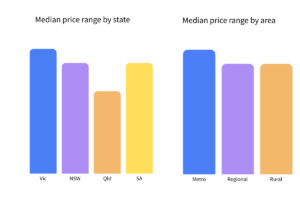
We’re going to spill the tea… funeral celebrancy doesn’t pay particularly well. Most funeral directors will have a standard fee that they pay their celebrants, and if you quote too far over and above this, they may use someone who is within their budget.
Generally, these rates range from $400 to $600 per service.
However, if a family are booking you directly, or you are conducting a memorial which doesn’t have a funeral director involved, you have more flexibility with what you charge.
How can The Celebrant Society support Funeral Celebrants?
We have a lot of experienced funeral celebrants within our membership group, and whenever a member needs support, they find a plethora of it on hand.
Even our more experienced funeral celebrants sometimes need a bit of support. Funerals can be emotionally taxing, and if you are ever faced with the request to conduct one for someone you know, you’ll understand the benefit of having the support of The Celebrant Society members.
Conclusion of Funeral Celebrant Training for Funeral Celebrancy
Being a registered funeral celebrant can be a fulfilling yet unique career. You will be reflecting on the deceased’s life and character while helping the surviving family members and friends ease their emotions, which can be a great honor. While the industry is unregulated, completing funeral celebrant training can give you the confidence, skills, and knowledge you need to create personalized funeral ceremonies and increase your chance of getting referrals. Hopefully, you will find this guide helpful in your journey toward helping families celebrate and honour the lives of their loved ones.