Lessons from teaching that all celebrants can learn from
It takes a special kind of person to be a celebrant. A celebrant needs to be confident, empathetic, creative and organised… which just so happens to be a very similar skill set to teachers. In fact, based on our very informal survey of the members of The Celebrant Society (TCS), it would appear that teachers and former teachers are disproportionately represented among the celebrant community. And it’s no surprise, really. If you imagine a Venn diagram of all the skills and talents both teachers and celebrants have, there would be a big overlapping section.
We spoke to some TCS members who are or have been teachers about the similarities and differences between the roles, and why teachers make great celebrants.
What are some teacher’s skills that have helped you become a great celebrant?
“Some of the main transferable skills are communicating with a variety of people, being prepared, using a mic and talking in front of a group of people. The odd joke works well in both roles, too.” – Angela Lloyd, Angela Lloyd – Celebrant, Newcastle, NSW, classroom and special education primary school teacher for 17 years
“As a teacher you learn to respond to issues immediately. The amount of decisions you make in the classroom helps you be on top of anything that can happen in a ceremony, and you learn to never be stressed by it because you can always find a solution. My problem-solving ability is so good after all the pivoting I need to do in a classroom.” – Kristy Burton, Feathered Weddings, Brisbane, Qld, high school senior English, drama and dance teacher for 9 years
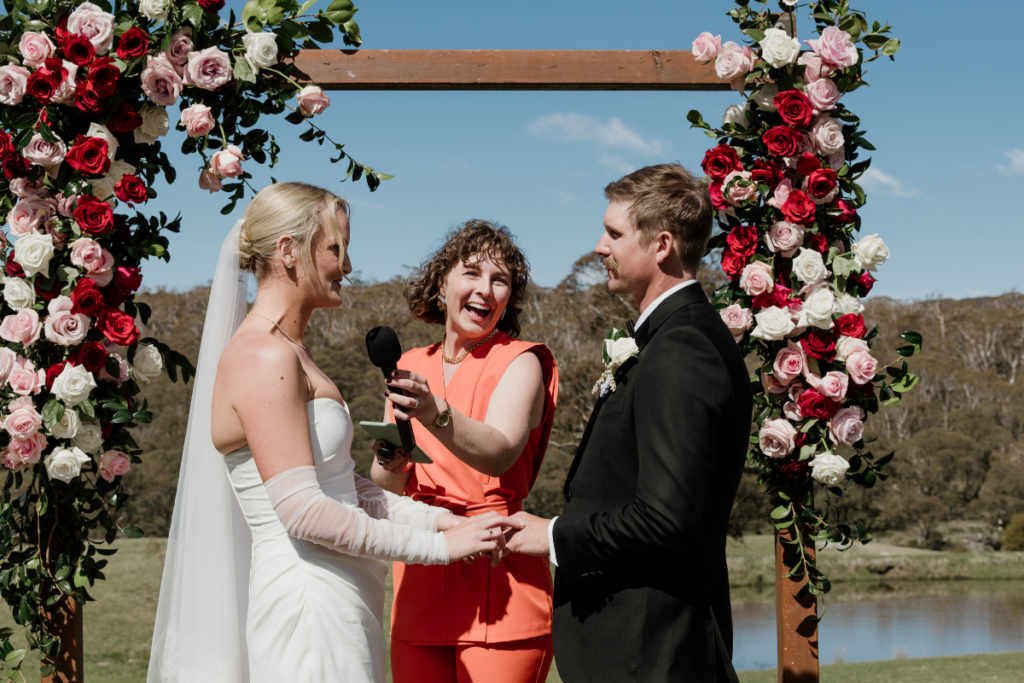
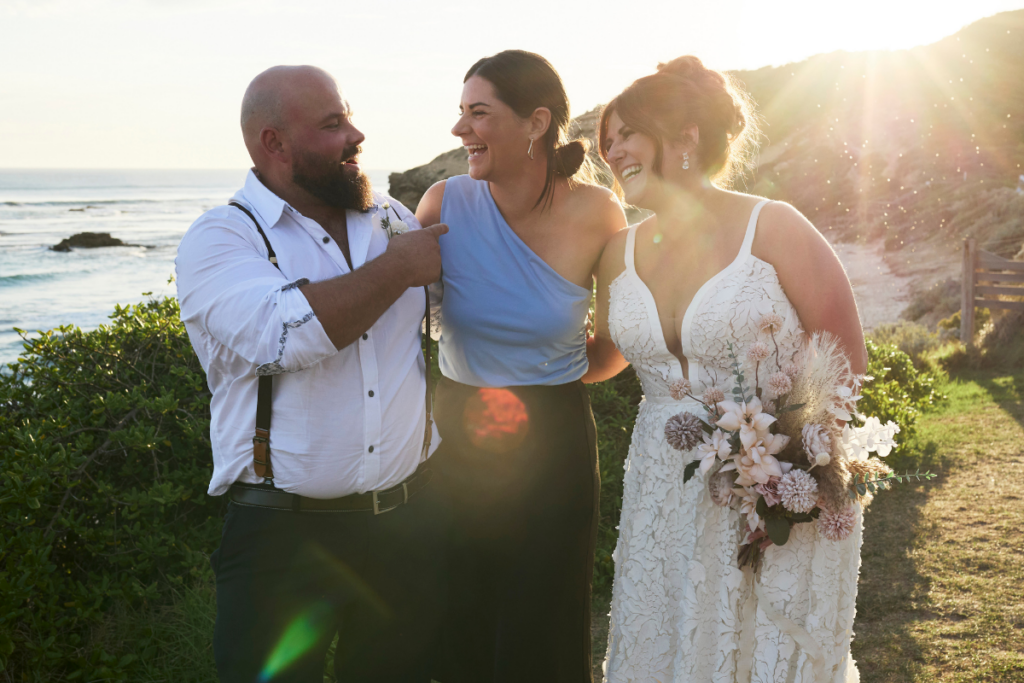
“Inclusivity – whether it’s with the language I use in my ceremonies, the gestures and actions, or even just thinking about how to make a wedding feel more inclusive. It’s just like in the classroom where we have to both differentiate and use inclusivity in every single lesson.” – Alyce Bailey (pictured above), Your Celebrant Alyce Bailey, Yarra Valley, Vic, teacher for 17 years working in both primary and secondary schools and as a careers practitioner
“Reading the room in the first few moments and knowing who will be the troublemakers, the anxious ones, and the ones who want to be your friend. And having a sense of humour, but also knowing when to turn it off when seriousness is required.” – Kathryn Iles, Kathryn Iles Celebrant, Northern Beaches, Sydney, NSW, secondary English teacher for over 30 years
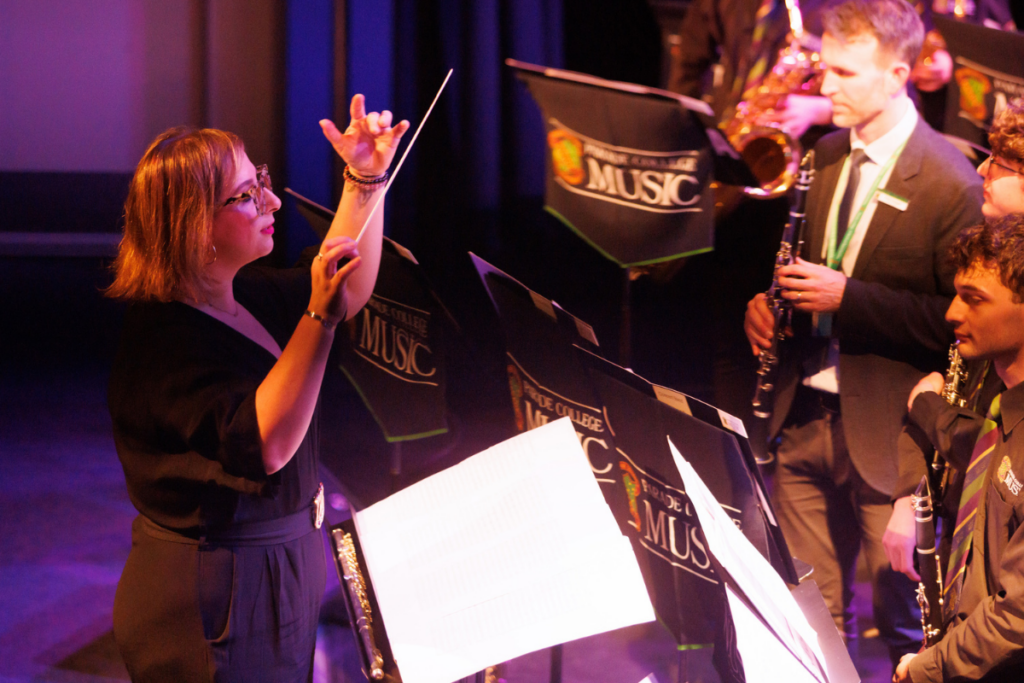
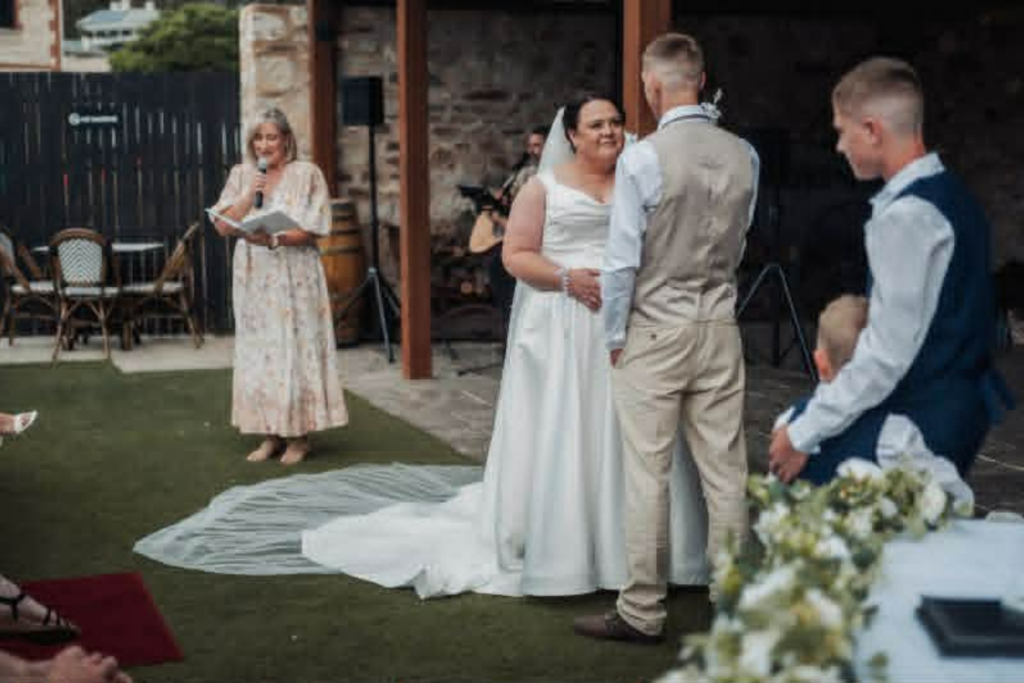
Music teacher and celebrant Mel Calia sees a lot of crossover when it comes to guiding and nurturing both students and couples. Photography by Darren McNamara
“Dealing with things caringly and with sensitivity. Most people have not been married before so they are learning what they need to do, much like your learners in class have never learned your subject before – so there is a lot of crossover in making both your students and couples feel empowered in that!” – Mel Calia, Melebrate Good Times, Melbourne, Vic, 26 years in education as a music and performing arts teacher and department head
“I have learned to be the adult in the room. You’d think that weddings are full of adults, but sometimes big feelings and big stress cause some adults to lose control. Being a teacher prepares you to step up, stand tall, and make the confident, bold and sometimes-hard calls.” – Yolande Szery, Better Together Celebrations, Upper Murray, NSW/Vic, primary school teacher for 2 years
“Reading one-word responses and being able to write an articulate sentence or two out of it. Being able to understand what people are saying when they have answered my questionnaire. And my report writing skills have definitely helped to ‘pretty’ up my scripts.” – Tanaye Querin, Married By T, South Coast/Sapphire Coast, NSW, high school teacher since 2019
“A big one for me is organisation. I found it easy to set up a filing system, checklists etc to keep me on track and also to be well prepared for meetings and ceremonies.” – Jo Cross, Celebrations By Jo, Hewett, Barossa Valley, SA, Aboriginal Education, librarian and classroom teacher in primary schools for 30 years
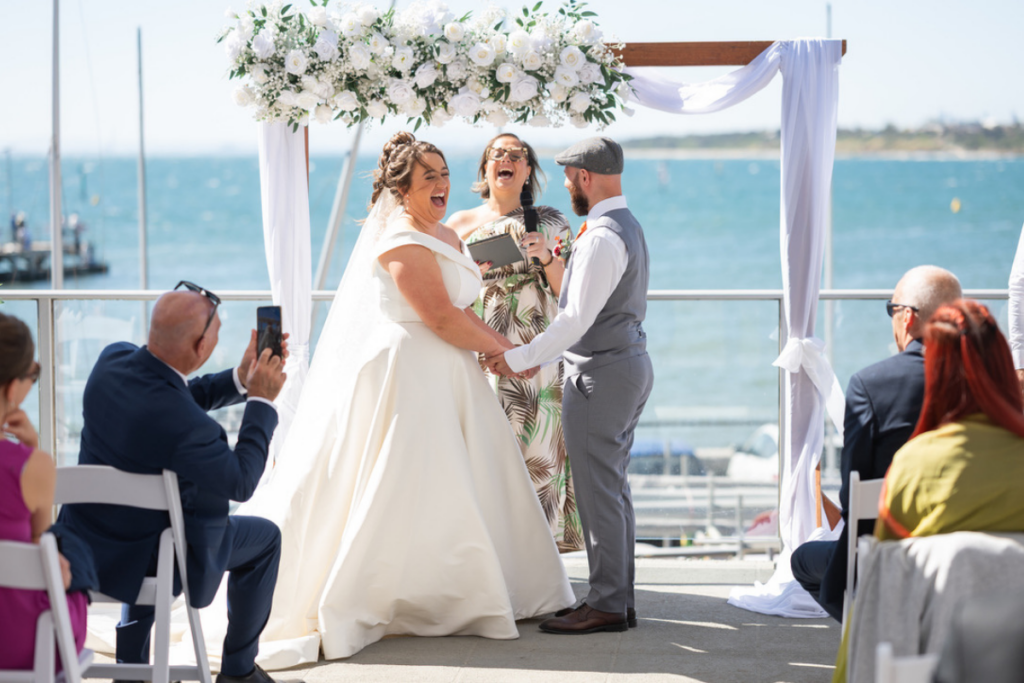
"Voice projection is critical in both [roles], even with a microphone," says Sydney celebrant Kathryn Iles. Photography by Andrew's Photography
How does speaking in front of wedding guests compare to a classroom setting?
“Voice projection is critical to both, even with a microphone. You also need to be able to speak while smiling, manage timing and respond to the group, while knowing it is always about the audience and never about you.” – Kathryn, Kathryn Iles Celebrant, NSW
“You need to be engaging and confident. I have a background in performance, and have always been taught that if you stuff up, do it with confidence and no one will know. Your confidence will always help a student feel they can trust that their education is in good hands. I’d say this absolutely applies to working with couples, too.” – Kristy, Feathered Weddings, Qld
“The crowd control is very similar – I am very good at this. I feel like I herd cats at school, so it helps with the stragglers at weddings. I am pretty determined when I want seats filled and people to stand closer. Sometimes it is easier to deal with teenage boys than a crowd of adults who have had a few day drinks.” – Tanaye, Married By T, NSW
“Honestly, my delivery is nicer at a wedding. I’m still giving explicit instructions but with a smile on my face. There’s much more positivity, but apart from this it has a lot of similarities.” – Alyce, Your Celebrant Alyce Bailey, Vic
“A major difference between the two roles is the feedback you’re hoping to inspire. With my students, I don’t want to rile them up, I want to keep them calm. At a wedding – particularly towards the end – my goal is to encourage them to celebrate as heartily as possible! This is definitely not the vibe I want from a group of 6-year-olds!” – Yolande, Better Together Celebrations, NSW/Vic
How is being a celebrant similar to being a teacher (and how is it different)?
“Both require a lot of ‘you giving you’ – your energy, leadership, guidance and expertise. People are relying on you. I think a big difference is that being a celebrant has a much more rapid dopamine release – you feel a high after a ceremony. Teaching, some days, can leave you pretty zapped of energy.” – Mel, Melebrate Good Times, Vic
“In both roles, you are the ‘go-to’ person, so you need to be visible, organised and able to put your personal issues aside while you are doing the job. But the timeline, vibe and end result are very different.” – Angela, Angela Lloyd – Celebrant, Newcastle, NSW
“For both jobs there is a lot of preparation behind the scenes and remaining calm and in control in sometimes difficult situations. They also both require continued professional development and self-evaluation.” – Jo, Celebrations By Jo, SA
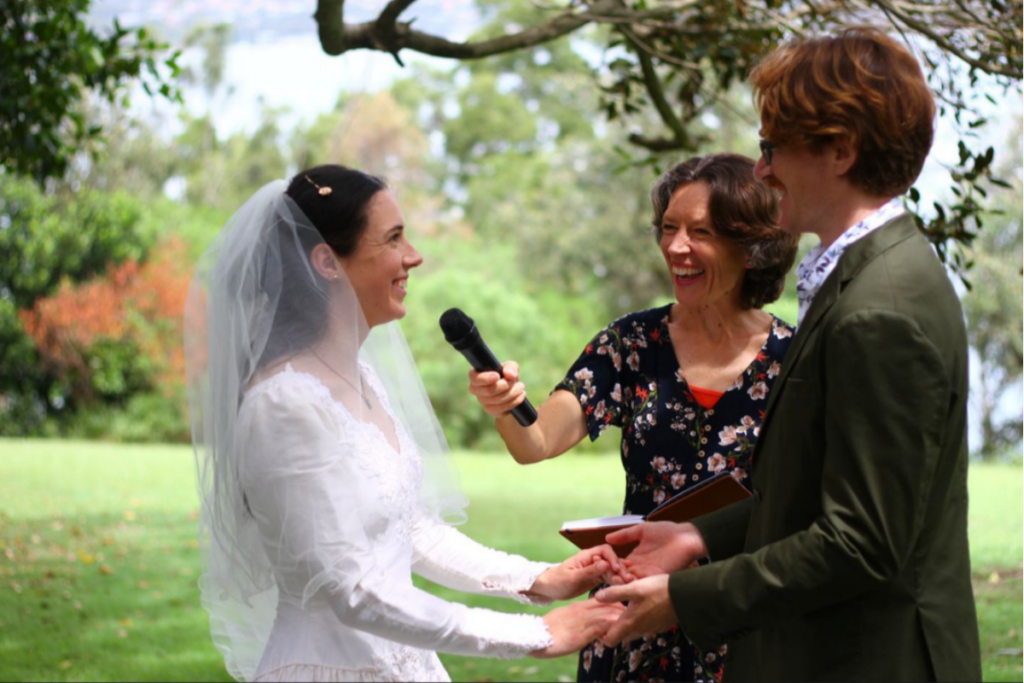
"When I stumbled across celebrancy, something just resonated with me and it’s been the best decision I've ever made.” Barossa Valley celebrant Jo Cross Photography by Matt Webster
Why did you decide to become a celebrant?
“I wanted some sort of side hustle and it really felt like such a natural step for me, combining all things I love: public speaking, writing, working with and leading people, and performing.” – Kristy, Feathered Weddings, Qld
“After 30 years of teaching I was ready for a change. I was starting to lose my passion, but wasn’t ready for a full career change. When I stumbled across celebrancy something just resonated with me and it’s been the best decision I’ve ever made.” – Jo Cross, Celebrations By Jo, SA
“A friend suggested to me that I would be a good celebrant. I scoffed. What? A boring, old, religious celebrant!? No thanks. Then when I looked into it and found that you didn’t have to be any of those things it really appealed to me. It’s the balance of being so organised it’s not funny with the creativity of pivoting when needed and presenting for a living.” – Alyce, Your Celebrant Alyce Bailey, Vic
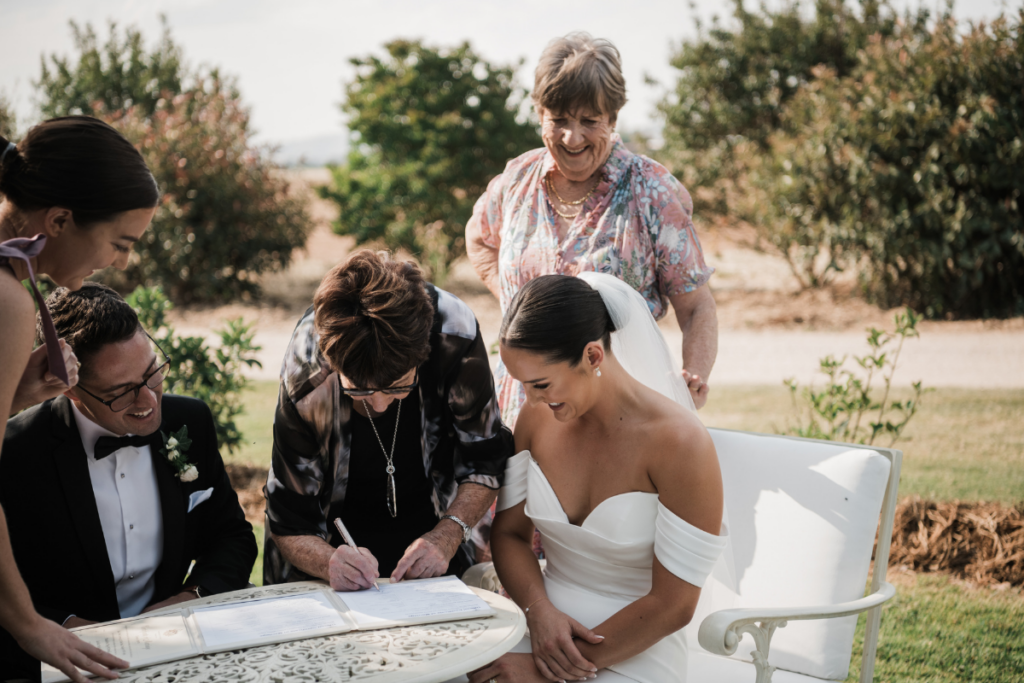
"I love the idea of being my own boss, picking and choosing the work, [and] being a storyteller.” celebrant and teacher Tanaye Quinn from NSW. Photography by Kate Freestone Photography
“I love the idea of being my own boss, picking and choosing the work, being a storyteller, and I LOVE weddings! I want to be that special someone that helps the couples’ story come to life.” – Tanaye, Married By T, NSW
“I wanted something creative that was still working with people and helping them, and I did think that it would be pretty cool to one day be the celebrant for the students I have taught!” – Mel, Melebrate Good Times, Vic
“I was a part-time wedding photographer for 15 years while I was a primary teacher. I LOVE weddings and thought about being a celebrant for years. The 2017 postal survey helped me to look closer at becoming a celebrant because now same-sex couples in Australia could get married! I am a Christian and I thought there would be couples wanting spiritual elements within a civil ceremony, and there are!” – Angela, Angela Lloyd – Celebrant, Newcastle, NSW
“Before teaching I was a print journalist (not a good one) and I always yearned to tell human stories. Then I became a teacher. Then I became a mother, and I needed a job that would be flexible and more relaxed than teaching. I saw an incredible celebrant marry my friends and I thought it looked like a great job that suited my skill set. So far, it has delivered!” – Yolande, Better Together Celebrations, NSW/Vic
If you're a teacher looking for a side hustle or a change in career, maybe celebrant is the job you're looking for – just like it was for Yolande Szery. Photography by Scott Surplice
Conclusion: If you’re a teacher looking for a side hustle or new career, celebrant is a natural choice
From reading the room and managing unpredictable situations, to storytelling, empathy and confidence under pressure, it’s clear that teachers bring a powerhouse of highly transferable skills into celebrancy. While a classroom and wedding venue may have some big differences, the heart of both roles is the same: guiding people through important moments with clarity, care and connection.
If you’re a teacher considering your next chapter, celebrancy might just be the perfect fit.
Note: Responses have been edited for clarity and length
Pat Haynesa week ago
I LOVE The Celebrant Society! This is truly a Community of Celebrants. I've gained so much knowledge by being a member of this fabulous Flock of Flamingos. My first conference, in Sydney last year was mind-blowingly incredible. A two-day conference that included the best gathering of expert speakers in their field. It was informative, fun, and the BEST opportunity to meet with other celebrants and wedding industry legends! I've returned from the 2day TCS Melbourne conference and again, blown away with the Keynote speakers, the opportuntiy of learning and the company of like-minded people. Thank you to The Celebrant Society and incredible team of legends for not only putting this kick-arse conference together, but for the ongoing support from them and their legendary members who celebrate community over competition! xxx
Alison is THE go-to for all things Marriage Act and represents The Celebrant Society at the Attorney-General’s Department meetings in Canberra.
Widely respected as one of the best in the business, Alison is actively helping shape Australian celebrancy while supporting celebrants to navigate the legal landscape with clarity and confidence.
She also loves Buffy the Vampire Slayer, her cat Pancake, and helping two people stand up in front of their favourite humans and say, “this is my chosen person.”